
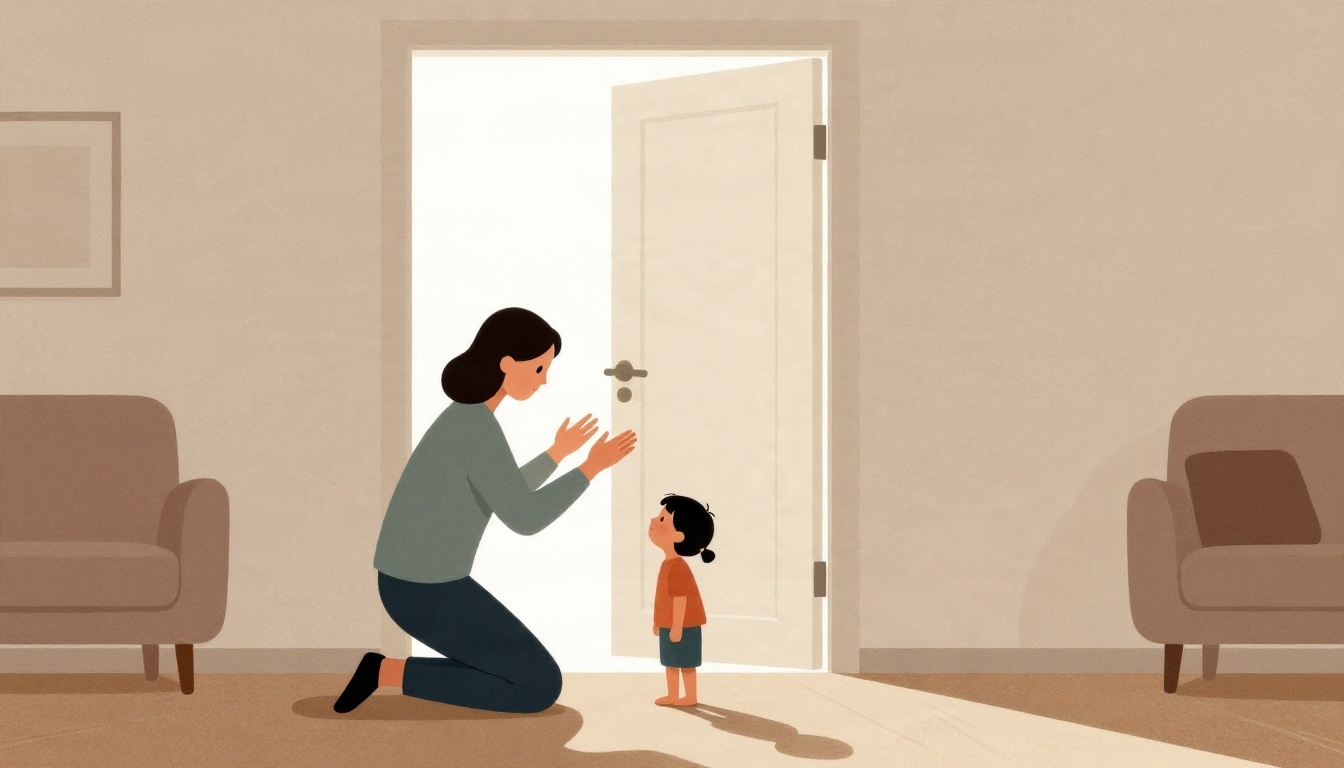
You lost your temper, said something sharp, or broke a promise—and now your child is quiet, distant, or angry. You want to make it right but aren't sure what to say, or whether saying sorry is even enough. The good news is that repair is one of the most powerful parenting tools available, and it is a skill you can learn and practice.
According to the H.E.A.R. apology method, what does the "A" stand for?
Select one answer.
Why apologizing matters more than getting it right
Perfect parenting isn't the goal—repair is. When you own a mistake, apologize, and reconnect, you teach your child that love is safe, relationships can be mended, and being human is allowed. That is how trust is built and resilience grows, as parenting educators emphasize.
An apology also models the exact behavior you want your child to learn. Children absorb far more from what we do than from what we say, so a sincere apology is a live lesson in accountability and empathy.
What a real apology sounds like
A genuine parental apology acknowledges the specific harm done, takes full responsibility without self-justification, and does not demand the child's forgiveness, according to therapist guidance. Vague regret like "I'm sorry for being mean" falls flat. Naming the specific action—"I yelled at you this morning and it scared you"—lands differently.
One practical framework is the H.E.A.R. method, which walks through four steps: acknowledge the hurt, express a genuine apology, accept responsibility without excuses, and offer a repair. The emphasis on "no buts" matters—any excuse undercuts the whole thing, as therapists who teach the method explain.
A step-by-step repair checklist
Use this sequence after a conflict or a moment you regret:
- Calm yourself first. Take a breath before you speak. A regulated adult is what makes the conversation safe.
- Get on their level. For younger children, kneel or sit close and speak with warmth.
- Name the specific behavior. "I raised my voice and slammed the door."
- Acknowledge the impact. "That probably felt scary and unfair to you."
- Take responsibility without excuses. Skip "but you made me..." entirely.
- Offer a concrete repair. "Next time I'm frustrated, I'll take a pause before I speak."
- Ask, don't demand. "Is there anything you need from me?" Then give them time if they aren't ready.
Give your child time to respond
When apologizing, be specific and, if your child isn't ready to forgive, give them time—real healing takes time, as family counselors advise. An apology is an offering, not a transaction. Pressuring a child to say "it's okay" teaches them to perform forgiveness rather than feel it.
Rebuild trust through consistent action
Words open the door, but behavior keeps it open. Trust is rebuilt through changed actions and consistent behavior over time. After the apology, follow through on the repair you promised. If you said you'd pause before speaking, pause. Each time you do, your child learns that your words are trustworthy.
Other practical steps for rebuilding trust after conflict include providing reassurance and emotional support, encouraging open communication, and reflecting your child's emotions back to them with empathy, as First 5 California suggests.
Common mistakes to avoid
- Apologizing with a "but." It shifts blame back onto the child.
- Explaining your intentions instead of the impact. Your child experienced the impact, not your intent.
- Making your child your therapist. Keep the apology focused on the harm and the repair, not on your own emotional processing.
- Apologizing once and never changing. Repair without follow-through reads as empty.
When repair feels hard to start
If apologizing to your child feels foreign, you are not alone—many adults grew up in homes where parents never apologized. Starting the practice now breaks that cycle for your family. Begin with one small, specific apology this week and notice how your child responds.
How the Featured Expert Can Help
The SEL Supply Co provides personalized social and emotional support for families, focusing on areas such as anxiety, behavior, and communication. They offer a free 15-minute consultation to see if you're a good fit, then build customized plans on an hourly basis, with options including one-on-one support, small groups, parent webinars, and school consultation. You can book a session or free consultation through their site.