
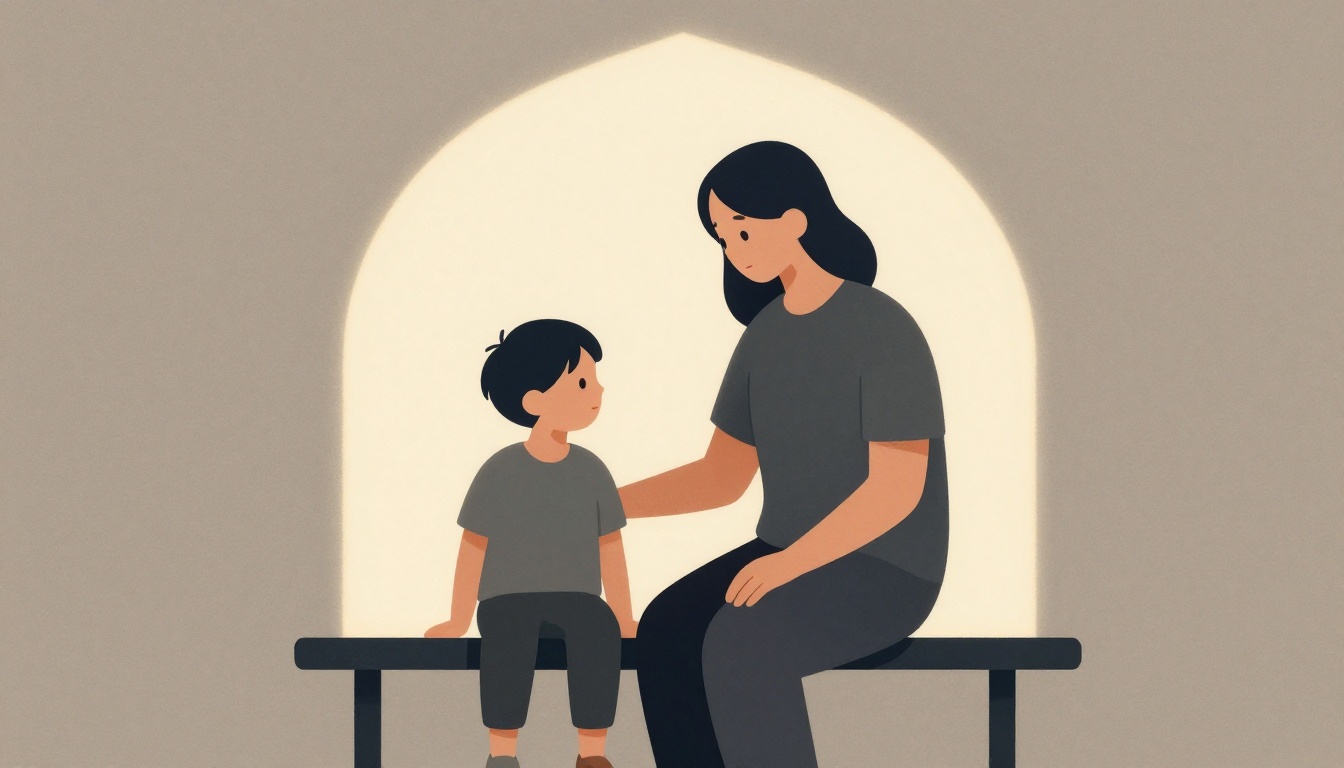
What is the most helpful first step when your child is upset after a friendship conflict?
Select one answer.
Start by listening, not fixing
When your child comes home upset about a friend, your first instinct may be to solve it. But the most helpful first move is to listen and validate. According to the Child Mind Institute, kids don't always want solutions — they want to be heard. A friendship conflict can feel as intense as a romantic breakup, so resist the urge to downplay it.
Try reflective language: "It sounds like that really hurt." "I can see you're angry and confused." This does two things: it gives your child vocabulary for their feelings and shows you're on their side. The Kids Mental Health Foundation notes that talking with your child about upsetting friendship experiences can help them cope with hurt feelings and navigate conflict more effectively.
Teach that conflict is normal — and repairable
Many kids believe a fight means the friendship is over. Correct that assumption early. The Kids Mental Health Foundation explains that conflicts are common between friends, but they don't mean the friendship has to end. Kids can learn to communicate, understand the other person's perspective, and compromise.
A useful metaphor: a friendship is like a tower of blocks. A fight knocks some blocks down, but you don't throw the whole tower away — you rebuild it together. This frames repair as a skill, not a verdict.
Coach, don't referee
Stepping in to solve every dispute robs kids of practice. The shift that helps most is moving from referee to coach. A referee decides who's right and separates the players. A coach stays calm, helps both kids cool down, and guides them to work it out themselves with questions rather than rulings.
Step in directly only when there's physical aggression, a real power imbalance, or bullying. Otherwise, your job is to scaffold the conversation, not run it.
The calm-first, solve-second sequence
No one resolves anything while flooded. The first move is always to help kids settle — a pause, a breath, a little space — before trying to talk it out. Teaching "we solve problems when we're calm, not when we're mad" is half the skill.
Once calm, walk through a repeatable process:
- State feelings without blame. Each child uses "I" statements: "I felt left out when you played with someone else."
- Listen and paraphrase. Each child repeats back what the other said to confirm understanding.
- Apologize meaningfully. A good apology has three parts: what I did, that I'm sorry, and what I'll do now.
- Find a way forward. Ask: "What could we try next time?" Let them generate solutions.
What you can and cannot control
Kids often fixate on changing the other person. Gently introduce the idea that the only person we can control is ourselves. Ask: "Can you control what your friend says? Can you control who they play with? Who can you control?" This leads to a conversation about owning their own reactions and behavior.
When the friendship is ending
Sometimes a friendship doesn't repair — it fades. If your child is the one ending it, help them practice respectful "I" statements like "I need some space." If they're on the receiving end, validate the grief. A diary or an unsent letter can help them process feelings. Remind them that as interests change, friendships often do too, and that's a normal part of growing up.
A quick checklist for parents
- Listen and validate before offering advice.
- Normalize conflict as part of friendship.
- Coach rather than referee.
- Ensure everyone is calm before problem-solving.
- Teach "I" statements and paraphrasing.
- Model a three-part apology.
- Help your child identify what they can control.
- Step in only for safety or bullying.
How the Featured Expert Can Help
The SEL Supply Co provides personalized social and emotional support for families, starting with a free 15-minute consultation to see if you're a good fit. They create customized plans and work with you on an hourly basis, focusing on areas like anxiety, routines, behavior, impulse control, and communication. They also offer small groups, parent webinars, and school consultation services. You can book a session directly through their site.
Quiz: Test your knowledge
What is the most helpful first step when your child is upset after a friendship conflict?
- A) Tell them to just make up with their friend
- B) Listen and validate their emotions
- C) Call the other child's parents immediately