
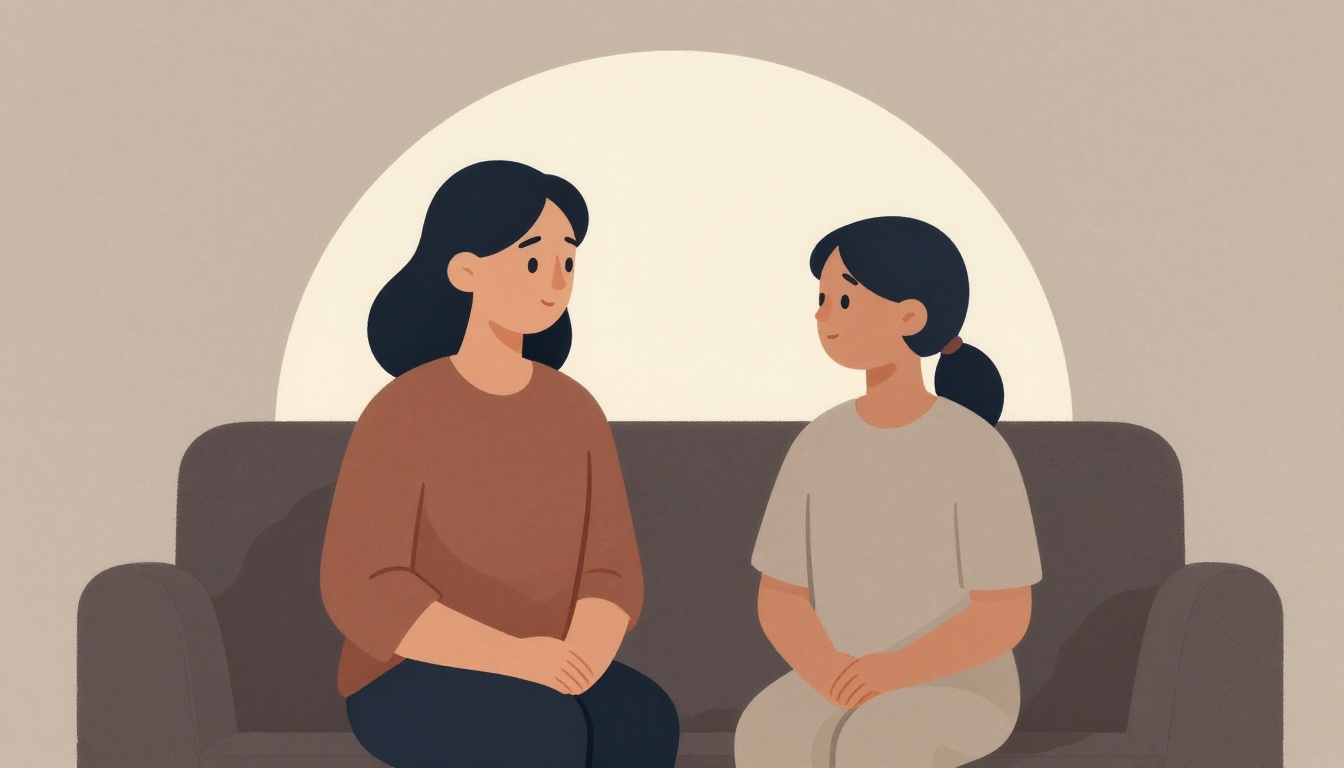
According to the research, what is one reason children and teens find it hard to tell parents how they feel?
Select one answer.
Why 'I'm fine' is so common
When your child says "I'm fine" and you can tell they're not, it's easy to push for answers. But that pressure often makes kids shut down further. Many children and teens find it hard to describe negative emotions, what caused them, and what they want to happen differently — their brains are still developing, and big feelings can interfere with communication skills. As one resource puts it, "It is normal for young people to struggle to say how they feel (AND it's okay for them to choose not to tell us everything they feel upset about)." (Calm Kid Central)
Sometimes "I'm fine" means "I don't want to talk right now." Sometimes it means "I don't know how to say it yet." Sometimes it means "Please don't push me this second, but please don't walk away either." (Instagram)
What to do in the moment
Instead of challenging the answer, try a calm response that keeps the door open without adding pressure: "Okay. If you ever want to talk, I'm here." (Malec & Associates) Or: "I hear you. If you ever feel like talking about it later, I'm here." (Erika's Lighthouse)
Acknowledge the feeling without denying or correcting it. For example, "I can see that you are really disappointed that you did not get that." (Chance School)
The side-by-side approach
Direct, face-to-face conversations can feel like an interrogation. Try creating opportunities for side-by-side interactions instead — cooking together, playing a game, watching TV, going for a walk or drive, or working on a project. The key is to start with something low-stakes where you're not directly across from each other. (Clayful Health)
Use open-ended questions
Avoid yes/no questions that shut down conversation. Instead, try:
- "How did that make you feel?"
- "When that happened, what did that make you think?"
- "What do you want to happen?"
- "How would you like it to go?"
- "Would you be willing to tell me more about that?"
- "What else is going on?"
Watch for signs that something is wrong
Children who give short answers, avoid eye contact, or seem overly eager to please may be hiding their true feelings. (Parents)
Other signs to watch for include:
- Excessive fear that interferes with daily life
- Unexplained physical pain like stomachaches or headaches without a medical cause
- School refusal or crying before school
- Sudden mood swings, frequent crying, or irritability
- Sleep disturbances like recurring nightmares or insomnia
Model emotional honesty
When parents try to hide or suppress their emotions, they teach children that those emotions are not "ok" or safe to feel and express. (Theravive) Make talking about feelings a safe thing in your home by modeling what it looks like to explore your own feelings. Say out loud, "I'm really feeling..." (Michigan State University Extension)
A practical checklist
- Stay calm and don't push for an immediate answer.
- Use a low-pressure response like "I'm here if you want to talk."
- Create side-by-side opportunities for conversation.
- Ask open-ended questions instead of yes/no questions.
- Acknowledge feelings without denying or correcting them.
- Watch for changes in behavior, sleep, appetite, or school attendance.
- Model healthy emotional expression yourself.
- Circle back later — sometimes the win is making sure they know the door is still open.
When to seek extra support
If your child consistently chooses "red" on an emotional check-in, or if you notice persistent changes in mood, sleep, or behavior, don't ignore it. Listen, talk, and seek professional support if it persists. (Azzurra Health Care Center)
How the Featured Expert Can Help
The SEL Supply Co provides personalized social and emotional support for families, offering free consultations and customized plans. They focus on areas such as anxiety, behavior, and communication, and operate on an hourly basis. You can book a session directly through their site: https://www.theselsupply.com